Choosing the right fly fishing line weight forward setup can make casting easier, improve loop control, and help flies land more naturally.
Below, we focus on practical, cast-friendly options for beginners and everyday anglers, with an eye on floating performance, durability, and value.
Best 10 Fly Fishing Line Weight Forward Picks for 2026
All-Around Floating Performer

- Longer front taper for quicker rod loading
- Welded loop speeds up leader changes
- Low-memory braided core for smoother handling
Best For: Versatile anglers who want one floating WF line for general use
Classic Starter Line

- Dependable flotation and durability
- Raised bump helps find casting start point
- Front loop simplifies rigging
Best For: Beginners and general anglers wanting a proven floating line
Beginner-Friendly Precision Line

- Half-size heavy grain improves rod feel
- Front welded loop makes rigging easy
- Made for cool to moderate water
Best For: Beginners and all-around anglers fishing trout, streams, or lakes
High-Visibility Dual-Loop Option

- Two welded loops speed up leader swaps
- Weight-forward taper aids distance and accuracy
- Sky blue color improves visibility on the water
Best For: Anglers who want a visible, easy-rigging floating WF line
Easy-Load All-Around Trout Line
- Longer taper helps quick loading and long casts
- Enhanced welded loop simplifies leader attachment
- Low-memory floating design for smoother handling
Best For: Anglers wanting an easy-rigging floating line for all-around freshwater use
Color-Choice Precision Line
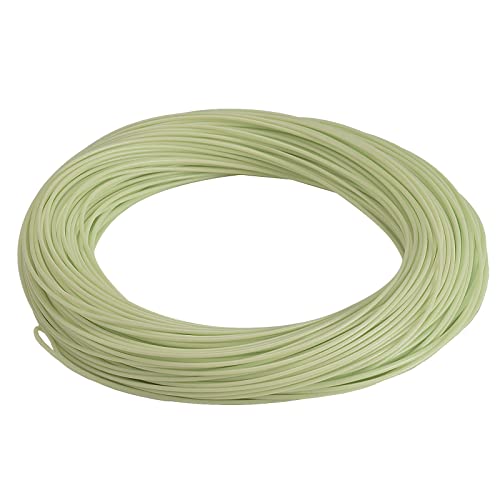
- Weight-forward taper helps long, accurate casts
- Double welded loops make rigging easier
- Multiple colors improve line visibility
Best For: Anglers wanting a versatile WF6F line with convenient setup and visibility options
Classic Supple Floating Line

- Tapered profile is designed for easy casting
- Ultra-supple build improves flexibility and control
- High-floating line suits dry flies, nymphs, and streamers
Best For: Freshwater anglers who want a classic, versatile floating line
Budget-Friendly Floating WF Line

- Floating weight-forward taper for easier casting
- Double welded loops on both ends
- Memory-free braided core with slick coating
Best For: Budget anglers who want a simple floating line for trout and general freshwater
All-Around High-Visibility WF Line

- Longer front taper helps quick rod loading
- Welded loop speeds up leader attachment
- Visible two-color floating design
Best For: Anglers wanting an easy-casting, versatile line for freshwater or saltwater
Lightweight Trout WF Line
- Lighter 3-weight floating line
- Weight-forward taper for quicker loading
- Welded loop and low-memory core
Best For: Trout anglers using lighter rods who want a simple floating line
All-Around Floating Performer – Piscifun Sword WF Line
If you want a fly fishing line weight forward option that is built for easy loading and smooth distance casting, the Piscifun Sword is a solid all-around choice. Its longer taper and larger front section help the rod load quickly, while the welded loop and visible two-color design make rigging straightforward on the water.
Best For: Anglers who want a versatile WF floating line for trout and other freshwater or light saltwater use.
Pros:
- Longer taper and bigger diameter in the first 30-33 feet help with quick loading and controlled distance casts.
- Enhanced welded loop makes leader attachment faster and helps transfer energy efficiently.
- Braided core is designed for lower memory and smoother handling in different weather conditions.
- Corrosion-resistant build suits freshwater and saltwater use.
Cons:
- Only offered here in a WF-5F configuration, so it is not a universal match for every rod weight.
- The moss green color is practical, but not the most visible option in all water conditions.
This line is appealing if you want a straightforward floating setup with user-friendly features and a casting profile aimed at accuracy and distance. It looks especially practical for anglers who want one line that can cover a wide range of situations without much fuss.
Classic Starter Line – Scientific Anglers Air Cel WF
The Scientific Anglers Air Cel is a classic fly fishing line weight forward option built around dependable flotation and durability. Its mid-length head and raised bump in the handling section help make the casting start point easier to identify, which is useful when you want a simple, predictable line for general fishing situations.
Best For: Anglers who want a proven floating line for everyday fishing and easy casting reference points.
Pros:
- Dependable flotation and durability for routine use.
- Front loop makes rigging more convenient.
- Raised bump marks the ideal place to begin the cast.
- Mid-length head works well for general fishing situations.
Cons:
- The listing is focused on function rather than extra comfort or specialty features.
- Material and construction details are simpler than some newer premium lines.
This is a practical pick if you want a straightforward floating WF line with a long-standing reputation and easy-to-read handling cues. It keeps the design simple, which may be exactly what beginners or general-purpose anglers want.
Beginner-Friendly Precision Line – Orvis Clearwater WF
The Orvis Clearwater is a fly fishing line weight forward choice designed to help new anglers cast with more confidence. Its half-size heavy grain and 90-foot weight-forward taper are meant to improve rod feel and loop stability, while the front welded loop keeps setup easy for everyday trout and lake fishing.
Best For: Beginners and all-around anglers who want a smooth, durable floating line for cool to moderate water.
Pros:
- Designed for introductory anglers with smooth, reliable casting behavior.
- Weight-forward taper and half-size heavy grain help with rod feel and cast control.
- Front welded loop simplifies leader or backing attachment.
- 90-foot moss-colored line works across multiple rods and general fishing situations.
Cons:
- Best suited to cool to moderate water, so it is not a universal all-temperature line.
- Available line weights are broad, but you still need to match the correct size to your rod.
If you want an easy-to-learn WF floating line that still offers room to grow, this one stands out for its balance of simplicity and control. It is a sensible all-around option for trout, streams, and lakes.
High-Visibility Dual-Loop Option – SF Floating WF Line
The SF Floating WF line is a practical fly fishing line weight forward option for anglers who want easy leader changes and strong visual tracking. Its two welded loops, weight-forward taper, and sky blue color are aimed at making casting and line management simpler, especially when wind and changing water conditions make accuracy more important.
Best For: Anglers who want a visible floating WF line with quick rigging and strong casting performance.
Pros:
- Two welded loops make leader replacement faster and easier.
- Weight-forward taper supports long-range projection and better accuracy.
- Sky blue color helps visibility against dark or bright water.
- PE core and PVC coating add strength to the line construction.
Cons:
- Sold in a single WF5F 90 ft setup, so it is more specific than a multi-size range.
- The bright color may not appeal to anglers who prefer a more subdued line.
This is a strong pick if you value visibility and convenience as much as casting performance. The dual-loop design and taper-focused profile make it a useful choice for anglers who want quick setup and reliable floating-line behavior.
Easy-Load All-Around Trout Line – Piscifun Sword WF3F
If you want a fly fishing line weight forward option that helps load quickly and cast smoothly, the Piscifun Sword is built around a longer taper and a thicker first section for easier turnover. It’s a practical choice for anglers who want dependable performance in wind, plus a welded loop that makes setup fast.
Best For: Beginners or experienced anglers who want an easy-rigging, all-around floating line for trout and similar freshwater species.
Pros:
- Longer taper and bigger diameter in the first 30-33 feet help quick loading and smoother long casts
- Enhanced welded loop speeds leader attachment and improves energy transfer
- Low-memory braided core and PVC coating are designed for smoother handling
- Versatile for freshwater and saltwater use, including trout, bass, salmon, and redfish
Cons:
- Only listed in WF-3F, so it won’t fit every rod weight
- Primarily a floating line, not a specialty sinking option
This line focuses on making casting and rigging straightforward rather than flashy, which is exactly what many anglers need in a weight forward fly line. If you value easy handling, visible color, and broad fishing versatility, it’s a solid everyday pick.
Color-Choice Precision Line – SF WF6F Floating Fly Line
The SF fly fishing line weight forward design is aimed at anglers who want controlled casting and reliable distance in changing conditions. With welded loops, a special taper, and multiple high-visibility color choices, it’s a straightforward floating line for practical everyday use.
Best For: Anglers who want a versatile WF6F floating line with easy replacement and strong visibility options.
Pros:
- Weight-forward taper supports long casts and better precision, even in windy conditions
- Double welded loops make rigging and replacement more convenient
- Several color options help with line visibility during the session
- 100-foot length gives you a standard full fly line setup
Cons:
- Only the WF6F size is specified in the supplied details
- No special performance claims beyond casting, visibility, and convenience
For anglers comparing floating weight forward lines, this model stands out for simple utility: predictable casting, easy setup, and color choices that can help you track your line on the water. It’s a practical no-fuss option for a mid-weight rod.
Classic Supple Floating Line – Cortland 444 Peach WF3F
If you’re shopping for a fly fishing line weight forward setup with a classic feel, the Cortland 444 Peach is built for easy casting and high floating performance. Its tapered profile is designed to work across a range of freshwater techniques, from dry flies to nymphing and small streamers.
Best For: Freshwater anglers who want a traditional, ultra-supple floating line for versatile presentations.
Pros:
- Thoughtful taper and profile support effortless casting at short or long distances
- Ultra-supple construction improves flexibility, sensitivity, and line management
- High-floating design boosts visibility and helps keep flies buoyant
- Versatile enough for dry flies, nymphing, and small streamers
Cons:
- Only listed here as WF3F, so rod-weight compatibility is specific
- Freshwater-focused rather than a general saltwater line
This is the kind of line anglers choose when they want dependable, time-tested performance rather than a modern specialty profile. If you value smooth casting, buoyancy, and broad freshwater usefulness, the 444 Peach remains an easy recommendation.
Budget-Friendly Floating WF Line – HERCULES WF5F 100FT
If you want a fly fishing line weight forward setup that keeps things simple, the HERCULES floating line is aimed at anglers who want smooth casting without spending much. Its weight-forward taper, memory-free core, and slick coating are built to help add distance, lift cleanly from the water, and present flies with control.
Best For: Budget-conscious anglers who want an easy-casting floating line for trout and general freshwater use.
Pros:
- Weight-forward floating design helps with distance and accuracy.
- Double welded loops on both ends make rigging backing and leaders quick.
- Supple, memory-free braided core supports smooth handling.
- Slick coating is designed for cleaner presentation, even in wind.
Cons:
- Single line option only, so you need to match the 5-weight size to your setup.
- Focused on floating performance rather than specialty sinking applications.
Overall, this is a practical entry-level choice if you want a dependable fly fishing line weight forward design with easy setup and solid casting traits. It looks especially appealing for anglers who value convenience and value over premium extras.
All-Around High-Visibility WF Line – Piscifun Sword WF-5F 100FT
This fly fishing line weight forward option is built for anglers who want quick loading, easy rigging, and visible line control. The Piscifun Sword uses a longer taper and bigger diameter in the first 30 to 33 feet to support smooth casting at distance, while the welded loop and low-memory braided core keep setup and handling straightforward.
Best For: Anglers who want a versatile floating line for trout and other freshwater or saltwater species.
Pros:
- Longer taper and added front-end thickness help the rod load quickly.
- Welded loop makes leader attachment fast and easy.
- Two-color, highly visible design helps you track the line.
- Corrosion-resistant build works in freshwater and saltwater.
Cons:
- Visibility-focused color may not suit anglers who prefer a more subdued line.
- Floating design only, so it is not intended for sinking presentations.
For anglers comparing fly fishing line weight forward models, this one stands out for easy loading and versatile use. It’s a sensible pick if you want one line that can cover trout, bass, and other species without complicated rigging.
Lightweight Trout WF Line – Piscifun Sword WF-3F 90FT
If you’re shopping for a fly fishing line weight forward setup in a lighter size, this Piscifun Sword 3-weight line follows the same easy-casting formula in a 90-foot format. It uses a longer taper, welded loop, and low-memory braided core to support smooth casts, quick rigging, and better turnover in windy conditions.
Best For: Trout anglers and lighter outfits that need a 3-weight floating line with easy handling.
Pros:
- Weight-forward taper helps the line load quickly.
- Welded loop supports fast leader attachment.
- Low-memory braided core improves handling across weather conditions.
- Suitable for freshwater and saltwater use.
Cons:
- Shorter 90-foot length may not suit every setup.
- Designed as a floating line, so it’s not for sinking techniques.
This is a straightforward pick if you need a lighter fly fishing line weight forward option for trout-focused fishing. The 3-weight size makes it a better fit for lighter rods than the 5-weight version, while keeping the same easy-rigging features.
How We Picked the Best Fly Fishing Line Weight Forward
For this roundup, we prioritized lines that are easy to load, simple to cast, and versatile enough for common freshwater situations. We looked for reliable weight-forward tapers, floating performance, practical welded loops, and strong suitability for popular rod weights from 3 wt to 9 wt. We also favored models that are beginner-friendly without sacrificing overall performance.
Quick Comparison
Most of the lines here are floating, weight-forward designs built for easier line pickup and cleaner turnover at typical fishing distances. Some are better suited to entry-level anglers who want an uncomplicated setup, while others lean toward smoother presentation, added durability, or classic all-around performance. If you want a straightforward Fly Fishing Line Weight Forward choice, focus on matching the line weight to your rod first, then compare taper feel and finish.
Key Buying Factors for Fly Fishing Line Weight Forward
Match Line Weight to the Rod
The most important step is pairing the line with the rod’s rated weight. A 5 wt line works best on a 5 wt rod, while mismatching can hurt casting efficiency and presentation.
Floating Versus Other Line Types
For most anglers, a floating line is the most practical option. It is easier to manage, works well for dry flies and nymph rigs, and is the most common choice for a first Fly Fishing Line Weight Forward purchase.
Taper and Turnover
Weight-forward tapers concentrate mass toward the front of the line, which helps load the rod quickly and turn over flies more efficiently. This is especially helpful for beginners, windy conditions, and general-purpose fishing.
Loop Connections and Ease of Setup
Welded loops can speed up setup and leader changes. They are not required, but they add convenience if you want a quicker rigging process.
Surface Finish and Durability
A slicker coating often casts more easily, while a durable outer finish can help the line last longer. Look for a balance between smooth handling and toughness, especially if you fish often.
Who Should Buy Which Fly Fishing Line Weight Forward?
Beginners should look for a floating weight-forward line that is easy to cast and forgiving under real-world conditions. All-around anglers will usually benefit from a versatile option in their most-used rod weight, such as 4 wt, 5 wt, or 6 wt. If you want the simplest path to better casting, a dependable Fly Fishing Line Weight Forward design is usually the safest choice for everyday freshwater fishing.