Rocky river bottoms demand more than a basic fishing shoe. You need secure traction, stable footing, and a boot that holds up when slick stones, current, and long walks all come into play.
This roundup covers 10 of the best wading boots for rocky rivers in 2026, with options for anglers who want better grip, comfort, and all-day confidence in changing conditions.
Best 10 Wading Boots for Rocky Rivers Picks for 2026
Budget-Friendly Traction Pick
FROGG TOGGS Hellbender Cleated Wading Boot

- Cleated or felt sole options for different river bottoms
- Lightweight mesh and PVC upper with toe/heel caps
- Padded ankle collar, wide last, and speed laces
Best For: Anglers seeking an affordable, no-fuss boot for rocky rivers
Premium Adjustable Fit
Korkers River Ops BOA Wading Boots

- OmniTrax interchangeable sole system for flexible traction
- BOA M2 Fit System for quick on/off and custom fit
- Hydrophobic build with internal drainage for faster drying
Best For: Serious anglers who want adjustable traction and a dialed-in fit
Rocky-Water Traction Choice
Paramount Outdoors Stonefly Cleated Wading Shoe
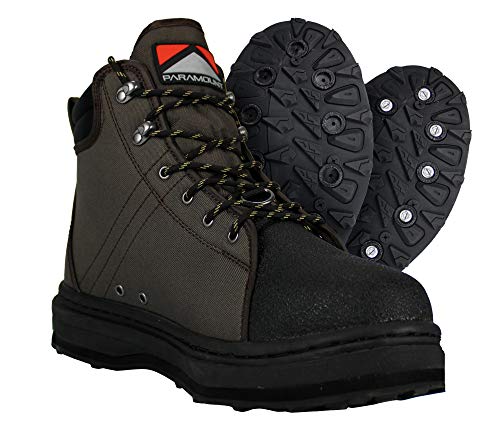
- Cleated outsole with recessed stud inserts for slick rocks
- Steel wading studs included for added grip
- Reinforced toe cap and stiff midsole for protection
Best For: Stockingfoot wader users who need grip on slick rocks and riverbanks
Lightweight Value Upgrade
Korkers Greenback Wading Boots

- OmniTrax soles for traction changes on the fly
- Hydrophobic materials with internal drainage
- Lightweight build with Quick Cinch laces
Best For: Anglers wanting a lightweight waterproof boot with interchangeable soles
Rock-Solid River Traction
FROGG TOGGS Deep Current Wading Boot

- Available in felt or cleated versions.
- Toe and heel protection for rocky terrain.
- Broad platform with strong ankle support.
Best For: Anglers wading rocky rivers and rugged bottoms
Lightweight All-Day Grip
Foxelli Lightweight Wading Boots

- Lightweight build at 1.3 lb per boot.
- Slip-resistant rubber outsole for slick rocks.
- Quick-draining mesh ports and protective rand.
Best For: Hiking anglers who need light, stable footing
Neoprene Grip for Rough Water
FROGG TOGGS Aransas II Wading Boot
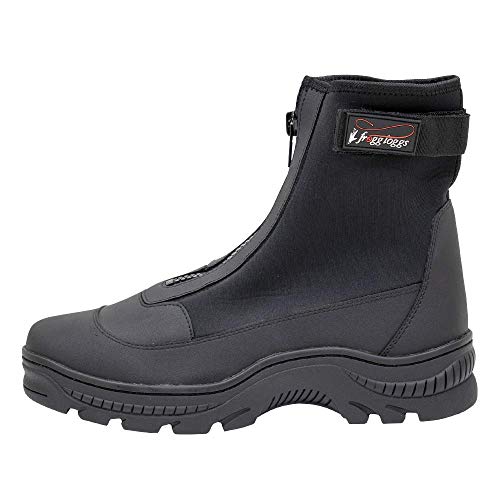
- 5mm neoprene shell with snug fit.
- Reinforced toe and heel cap for rocks.
- Cleated outsole with zipper and ankle strap.
Best For: Anglers wanting protective traction on mixed terrain
River-Ready Grip
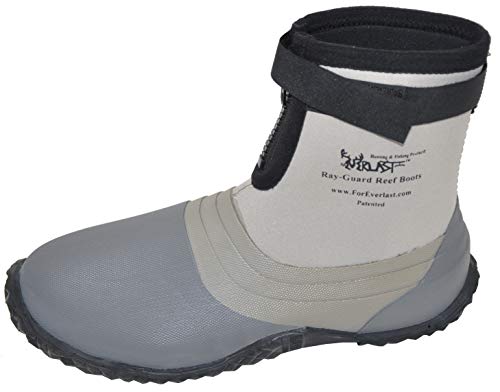
- Hard-soled vulcanized rubber bottom
- Built for uneven river bottoms and reef structures
- Drain vent helps water exit and keeps grit out
Best For: Anglers needing protective ankle-high boots for rocky, uneven wading
Lightweight Traction Pick
Kylebooker Anti-Slip Wading Boots

- Rubber sole with recessed stud insert points
- Lightweight, breathable, and quick draining
- Reinforced toe and heel for added protection
Best For: Waders who want light, breathable boots with traction support on slippery rocks
Supportive Trail Grip

- Cleat-pattern outsole for strong grip
- EVA midsole and padded collar add support
- Drainage holes and pull-straps improve convenience
Best For: Fly fishers wanting supportive, quick-drying boots for rough river bottoms
Budget-Friendly Traction Pick – FROGG TOGGS Hellbender Cleated Wading Boot
If you need wading boots for rocky rivers, the FROGG TOGGS Hellbender is a straightforward option built around traction, comfort, and value. The cleated sole is aimed at wet rocks, gravel, mud, and debris, while the lightweight upper and protective caps help it handle long days on the water.
Best For: Anglers who want an affordable cleated boot for rocky streambanks and mixed river bottoms.
Pros:
- Available in felt or cleated soles to match different river conditions
- Lightweight mesh and PVC upper with toe and heel protection
- Polyurethane midsole, padded ankle collar, and wide wading last for comfort and stability
- Speed laces with locking clip for a fast, secure fit
Cons:
- Not water resistant, so it relies on waders rather than boot waterproofing
- Basic design is less feature-rich than premium BOA or interchangeable-sole models
The Hellbender keeps the focus on practical river traction and support without adding much complexity. For rocky rivers where you want a simple boot with solid footing and an easy fit, it is a sensible pick.
Premium Adjustable Fit – Korkers River Ops BOA Wading Boots
When rocky rivers demand adaptable traction, the Korkers River Ops BOA is built to give you more control on the fly. Its interchangeable sole system lets you change traction as conditions change, while the BOA fit system makes it easy to dial in a secure, quick fit before you step into the water.
Best For: Serious anglers who want customizable traction and quick on/off convenience.
Pros:
- OmniTrax interchangeable sole system for customized traction
- BOA M2 Fit System for fast, secure adjustment
- Exo-Tec molded protection adds abrasion resistance in a lightweight package
- Hydrophobic materials and internal drainage help the boots dry faster and shed excess water
Cons:
- Heavier than some stripped-down wading boots at 3 pounds
- Premium feature set may be more than casual anglers need
This is the most feature-forward option in the group for anglers who fish varied terrain. If you want a boot that can adapt its grip and stay convenient to wear, it stands out for rocky river use.
Rocky-Water Traction Choice – Paramount Outdoors Stonefly Cleated Wading Shoe
Paramount Outdoors Stonefly Cleated Sole Wading Boot, Rubber Bottom Wading Shoe (14)
Check Price On AmazonThe Paramount Outdoors Stonefly is aimed squarely at wading boots for rocky rivers, with a cleated rubber outsole and recessed stud inserts for grip in moving water, on slick rocks, and along muddy banks. It is designed to pair with stockingfoot wader booties, so it works best as part of a full wading setup.
Best For: Stockingfoot wader users who want traction and rock protection in changing river conditions.
Pros:
- Cleated outsole with recessed stud inserts for traction on slick rocks and muddy riverbanks
- Steel wading studs included and can be used or left out
- Reinforced Rock Jam toe cap and stiff midsole for added protection
- Padded collar, heel pull, and gravel guard D-ring help with fit and convenience
Cons:
- Designed for stockingfoot wader booties, not standalone use
- Not water resistant according to the supplied details
The Stonefly focuses on practical grip and protection where rocky river footing gets tricky. If you already use stockingfoot waders, it is a strong match for riverbank scrambling and stream crossings.
Lightweight Value Upgrade – Korkers Greenback Wading Boots
Korkers Greenback Wading Boot with Felt & Kling-On Soles, Dried Herb/Black , Size 12 FB4810-12
Check Price On AmazonIf you want a lighter take on wading boots for rocky rivers, the Korkers Greenback keeps things simple while still offering interchangeable soles. It uses Korkers’ OmniTrax system, internal drainage, and hydrophobic materials to stay practical for anglers who move between different waters.
Best For: Anglers who want a lightweight, waterproof boot with interchangeable traction options.
Pros:
- OmniTrax interchangeable sole system for changing traction on the fly
- Hydrophobic materials and internal drainage help it dry faster and shed water
- Quick Cinch laces for a fast, secure fit
- Lightweight at 16 ounces with abrasion-resistant construction details
Cons:
- Uses a more minimal build than the higher-end River Ops model
- Boot form is listed as a snow boot, so fit expectations may need extra attention
The Greenback is a sensible middle-ground option if you want interchangeable traction without jumping to a premium price tier. For rocky river fishing, it offers the core features that matter most: grip flexibility, drainage, and light weight.
Rock-Solid River Traction – FROGG TOGGS Deep Current Wading Boot
For anglers looking for wading boots for rocky rivers, the FROGG TOGGS Deep Current is built around grip, ankle support, and rock protection. It comes in either felt or cleated outsole options, so you can match the boot to your water and local regulations while still getting a durable, season-after-season design.
Best For: Anglers who want a rugged, supportive boot for rocky shorelines, river bottoms, and wet logs.
Pros:
- Available in felt or cleated outsole options for different fishing conditions.
- Toe and heel protection help when stepping on sharp rocks or stubs.
- Water-draining micro screen ports help release water while keeping sand and grit out.
- Broad platform and ankle support are built for rugged river travel.
Cons:
- Not water resistant, so it relies on waders and booties for use in the water.
- Heavier-duty build may feel less minimalist than lightweight options.
The Deep Current is a practical pick if your rivers are rough on footwear and you want a boot designed to handle rocks, logs, and steady wading without getting in the way of your cast.
Lightweight All-Day Grip – Foxelli Lightweight Wading Boots
Foxelli Wading Boots – Lightweight Fly Fishing Boots for Men, Rubber Sole Wading Shoes
Check Price On AmazonIf you want wading boots for rocky rivers that feel lighter on long hikes in and out, the Foxelli Wading Boots focus on comfort without giving up trail-to-bank traction. The rubber outsole, toe and heel rand, and quick-draining build are made for uneven ground, while the soft upper and cushioned midsole keep them comfortable over a full day.
Best For: Anglers who hike to remote streams and want a lightweight boot for wet, uneven terrain.
Pros:
- Lightweight 1.3 lb per boot design helps reduce fatigue.
- Slip-resistant rubber outsole is built for mud, moss, and slick rocks.
- Reinforced toe and heel rand adds protection on rough banks and riverbeds.
- Mesh drain ports help release water quickly after wading.
Cons:
- Not insulated, so it is better for moderate or cold-weather use with neoprene booties than for standalone warmth.
- Requires sizing up for stockingfoot waders, which may take some planning.
This is a smart choice if you prioritize lighter weight and easy movement, especially when your fishing day includes both hiking and technical footing on rocky, wet surfaces.
Neoprene Grip for Rough Water – FROGG TOGGS Aransas II Wading Boot
For wading boots for rocky rivers with a more protective upper, the FROGG TOGGS Aransas II combines a 5mm neoprene shell, reinforced caps, and a cleated rubber outsole. It is designed to keep grit out and give reliable traction when the footing turns to rock, sand, mud, or shell.
Best For: Anglers who want a snug, protective boot for rocky surfaces and mixed wet terrain.
Pros:
- 5mm neoprene shell adds durable coverage and a snug fit.
- Reinforced toe and heel cap help protect on rocky surfaces.
- Cleated rubber athletic outsole is built for traction in sand, mud, and shell.
- Adjustable ankle strap and front zipper with full gusset help keep grit out.
Cons:
- At 3.3 pounds, it is heavier than lighter wading boot options.
- Best suited to spring and summer use rather than cold-weather versatility.
The Aransas II is a good fit if you want a more enclosed, protective feel and prefer traction-first performance over a lightweight hiking-style boot.
River-Ready Grip – Ray-Guard Reef Wading Boots
If you need wading boots for rocky rivers, the Foreverlast Ray-Guard Reef boot is built to help you stay stable on uneven bottoms and sharp underwater terrain. Its hard-soled, vulcanized rubber design focuses on protection, grip, and water drainage, while the lightweight build keeps it from feeling overly bulky during long sessions.
Best For: Anglers who want a protective, ankle-high boot with strong support for rocky river bottoms and rough terrain.
Pros:
- Hard-soled bottom with 4 layers of vulcanized rubber for added protection
- Designed for uneven river bottoms, reef structures, and sharp terrain
- Inside sole vent and SD system help drain water and keep grit out
- Lightweight build with ankle support and a secure cuff-and-zipper closure
Cons:
- May be more boot than needed for simple, low-risk wading
- Pull-on closure with zipper/cuff design may not suit everyone’s preference
Overall, this is a practical choice if your priority is protection and stability in rocky, unpredictable water. The Ray-Guard Reef boot leans toward durability and security rather than minimalism, which makes it a strong fit for demanding wading conditions.
Lightweight Traction Pick – Kylebooker Anti-Slip Wading Boots
For wading boots for rocky rivers, this Kylebooker pair focuses on traction, light weight, and all-day comfort. The rubber bottom includes recessed stud insert points for added grip potential, while the breathable upper and quick-draining build are aimed at keeping you moving comfortably through slippery river terrain.
Best For: Fishermen who want a lightweight, breathable wading boot with a stable feel for slippery river rocks and muddy bottoms.
Pros:
- Rubber bottom with recessed stud insert points for traction support
- Designed for mossy rocks, downed logs, and muddy bottoms
- Super lightweight, breathable, and quick draining
- Reinforced toe and heel add foot protection
Cons:
- Wading studs are not included
- Mesh/synthetic build may offer less rugged coverage than heavier boots
This boot is a straightforward, comfort-first option for anglers who still want dependable footing. If you’re prioritizing light weight and drainage over maximum armor, it fits the job well.
Supportive Trail Grip – BASSDASH IMMERSE Wading Boots
If you’re shopping for wading boots for rocky rivers, the BASSDASH IMMERSE stands out for grip, support, and easy drainage. It combines a grippy outsole pattern with an EVA midsole, padded ankle collar, and reinforced toe and heel caps, giving it a balanced feel for anglers who move over rough river beds.
Best For: Fly fishers who want a lightweight, supportive boot with good traction and easy drying for rocky river wading.
Pros:
- Exclusive cleat-pattern rubber outsole for strong wading grip
- EVA midsole adds cushioning and structural support
- Padded ankle collar and reinforced toe/heel caps improve comfort and durability
- Drainage holes, pull-straps, and removable insoles make drying and wear easier
Cons:
- More feature-rich design may be more boot than casual anglers need
- Fit depends on checking the size guide carefully
As an all-around wading boot, this model does a good job combining traction with support and convenience. It is a sensible pick if you want a boot that feels stable on rocks without giving up comfort or easy maintenance.
How We Picked These Wading Boots for Rocky Rivers
We focused on boots that make sense for uneven, slippery riverbeds: reliable outsole traction, supportive construction, drainage-friendly design, and secure lacing or closure systems. For rocky rivers, a boot has to do more than stay dry—it has to help you stay balanced when footing changes fast.
We also looked at versatility, including models with interchangeable soles, lighter-weight designs for longer hikes, and more durable builds for repeated use in abrasive conditions.
Quick Comparison
If you want maximum adaptability, interchangeable-sole models are a strong choice. If you prefer a simpler setup, fixed rubber or cleated outsoles can be easier to live with and often offer dependable grip on mixed terrain. Lighter boots may feel better on long approaches, while sturdier boots can provide more protection around sharp rocks and heavy current.
Key Buying Factors for Wading Boots for Rocky Rivers
Traction Type
Rocky rivers often reward aggressive tread or cleated designs, especially on algae-covered stone. Rubber soles can work well on mixed terrain and are generally easier on trail transitions, while felt may still appeal in certain stream conditions where allowed. Choose the sole that best matches your local river bottom and regulations.
Ankle Support and Stability
Look for a boot that locks your foot down without creating pressure points. Good ankle support helps reduce fatigue and improves balance when you step onto submerged rocks or shift weight in moving water.
Protection and Durability
Rocks, gravel, and repeated impact can wear down soft materials quickly. Reinforced uppers, strong stitching, and abrasion-resistant construction matter if you fish frequently or hike into remote water.
Weight and Comfort
For long days, lighter boots can reduce fatigue, but not if they sacrifice traction or structure. The best balance depends on how far you walk and how rough the river is.
Who Should Buy Which Wading Boots for Rocky Rivers?
If you fish technical mountain streams or uneven boulder fields, prioritize grip and support first. Anglers who cover a lot of ground may prefer lighter Wading Boots for Rocky Rivers with comfortable midsoles and simpler traction patterns. If you want the most flexibility across different waters, consider models with interchangeable soles. If your priority is durability in hard use, choose a tougher boot with reinforced materials and a secure fit.
In short, the right pair should match your local bottom conditions, your walking distance, and how much protection you want when the rocks get slick.