Choosing the right fly fishing shooting head line can make long casts feel cleaner, faster, and more controlled. The best options help you carry less weight through the guides while still delivering the turn-over you need.
Below, we focus on lines built for distance, smooth shooting, and practical setup compatibility so you can match the line to your rod, target species, and casting style.
Best 10 Fly Fishing Shooting Head Line Picks for 2026
Floating Running Line
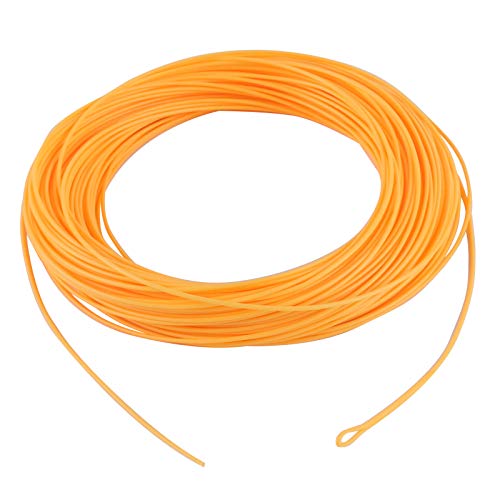
- Built for Skagit shooting heads
- Floating PVC-coated braided core
- Front welded loop for easy connection
Best For: Skagit anglers wanting a floating, easy-connecting running line
Billfish Shooting Head

- 30 ft head with powerful front taper
- Hard tropical coating for heat resistance
- 50 lb core and bright rear visibility
Best For: Casting big flies with a tough, heat-resistant head
Low-Drag Running Line

- Floating running line for Skagit heads
- Braided core reduces memory and stretch
- Lime green finish boosts visibility
Best For: Anglers who want a visible, floating running line for head systems
Short-Head Distance Line
Rio OutBound Short Shooting Head

- Easy-casting shooting head for long casts
- Built two sizes above ASTM standard
- Easy ID loop for quick recognition
Best For: Modern rods and anglers focused on simple long-distance casting
Best Slick Running Line
RIO Slick Shooter 115' 25Lb Blue

- Super-hard slick nylon finish
- Oval-shaped line for shooting use
- No memory after stretching
Best For: Anglers who need a slick running line for long-distance shooting head setups.
Best Versatile Sinking Line
Scientific Angler Intermediate Shooting Line

- Intermediate sink rate of 1.5 ips
- Single-strand monofilament core
- Freshwater and saltwater use
Best For: Anglers who want an intermediate sinking shooting line for multiple water types.
Best Floating Skagit Running Line
Maxcatch Floating Shooting Line with Front Loop
- PVC coating supports flotation and durability
- Braided core reduces memory and stretch
- Front welded loop speeds up setup
Best For: Anglers using Skagit shooting heads who want a floating running line with easy rigging.
Single-Hand Spey Helper
Aventik Trout Boost Floating Line

- Extended head helps load the rod with less effort
- High-visibility head/running line separation aids timing
- Welded loops simplify leader changes
Best For: Single-hand spey casting in tight spaces
Running Line Pick
Cortland Specialty Shooting/Running Line
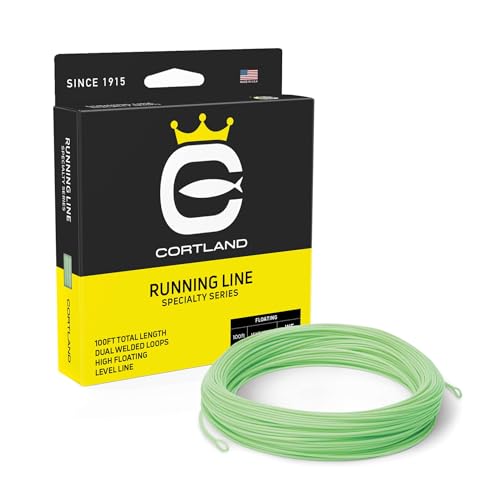
- Dual welded loops speed up setup
- High-floating level line suits shooting head rigs
- Braided nylon build is made for running-line use
Best For: Dedicated floating running line setups
Floating Shooting Line Choice

- Low-stretch core boosts sensitivity
- Slick coating supports floating performance and durability
- Exposed loop makes line changes faster
Best For: Floating or sinking running line for shooting head rigs
Floating Running Line – Maxcatch 15lb/20lb Floater
If you need a fly fishing shooting head line setup that helps a Skagit system send line efficiently, this Maxcatch floating running line is built for that job. The braided core is designed for lower memory and lower stretch, while the PVC coating adds flotation and durability for changing conditions.
Best For: Anglers pairing Skagit shooting heads with a floating running line that connects quickly and stays easy to manage.
Pros:
- Made for use with Skagit shooting heads
- PVC coating helps with flotation and durability
- Braided core offers lower memory and lower stretch
- Front welded loop makes connection fast and easy
Cons:
- Designed as a running line, not a complete head system
- Different diameters are needed for different head weights
For anglers building a head-and-running-line setup, this is a practical, weather-resistant option with clear line-to-head matching guidance. The main advantage is simplicity: it floats, connects easily, and is purpose-built for shooting heads.
Billfish Shooting Head – Rio Slick Shooter 115Ft
This fly fishing shooting head line is aimed at anglers who want a strong, purpose-built head for casting big flies. Rio describes this model as a 30 ft shooting head with a powerful front taper, a hard tropical coating, and an ultra-tough 50 lb core for demanding saltwater-style use.
Best For: Anglers casting big flies and fishing situations where a tough, visible shooting head matters.
Pros:
- Powerful front taper helps cast the biggest flies
- Hard tropical coating is designed to prevent wilting in heat
- 50 lb core is built for toughness and durability
- Bright orange rear section helps with line visibility
Cons:
- Built as a shooting head, so it is not a general-purpose line
- Specific billfish-focused design may be more specialized than some anglers need
Overall, this is a specialized head for anglers who prioritize power and rugged construction. Its strongest selling points are the heavy-duty core, heat-resistant coating, and taper designed for moving large flies.
Low-Drag Running Line – Maxcatch Lime Green Runner
For anglers shopping for a fly fishing shooting head line setup, this Maxcatch line serves as a floating running line that connects cleanly to Skagit heads. Its braided core is intended to reduce memory and stretch, and the PVC coating is there to improve flotation and durability.
Best For: Anglers who want a floating running line with low memory and a bright, easy-to-see color.
Pros:
- Works well with Skagit shooting heads
- Floating PVC coating adds durability and buoyancy
- Braided core helps reduce memory and stretch
- Lime green color improves visibility
Cons:
- Like other running lines, it must be matched to the right head weight
- Not a full shooting head on its own
This version mirrors the Maxcatch platform but adds a high-visibility lime green finish. If you want the same practical head-compatible design with a more visible line color, it is a straightforward choice.
Short-Head Distance Line – Rio OutBound Short Shooting Head
If you’re comparing a fly fishing shooting head line for easier long-distance casting, this Rio OutBound Short Shooting Head is built around that goal. Rio says the heads are made two sizes above ASTM standard to load modern rods correctly, and the design removes the need to step up a line size when choosing a line for your rod.
Best For: Anglers who want an easy-casting shooting head for long casts with modern rods.
Pros:
- Powerful, easy-casting shooting head design
- Built two sizes above ASTM standard to load modern rods
- No need to step up line size when choosing for your rod
- Easy ID loop at the back end for quick recognition
Cons:
- Specific head design is not as versatile as a standard full line
- Clear color may be less visible than brighter options
As a short shooting head, this line is about making distance casting simpler rather than covering every use case. The matching rod-load design is the key feature, especially for anglers who want a straightforward setup.
Best Slick Running Line – RIO Slick Shooter 115' 25Lb Blue
For anglers building a fly fishing shooting head line setup, this RIO Slick Shooter is made as a dedicated running line with a super-hard, slick nylon finish and very low friction to help long-distance casts. The oval-shaped nylon construction and no-memory design after stretching make it a straightforward choice when you want clean shooting and consistent handling.
Best For: Anglers who want a low-friction nylon shooting line for longer casts in a shooting-head system.
Pros:
- Super-hard, slick finish helps reduce friction during the cast.
- Oval-shaped nylon construction is built for shooting line use.
- No memory after stretching can make handling easier.
- 115-foot length gives solid running-line coverage.
Cons:
- It is a running line, so it is not a complete fly line system on its own.
- 25 lb rating may not be the right fit for every setup.
This is a practical pick if your priority is a simple, slick running line for maximizing distance in a fly fishing shooting head line setup. It is purpose-built rather than feature-heavy, which can be an advantage for anglers who just want reliable shooting performance.
Best Versatile Sinking Line – Scientific Angler Intermediate Shooting Line
This Scientific Anglers shooting line is designed as an easy-casting intermediate option for a fly fishing shooting head line setup. With a single-strand monofilament core and a sink rate of 1.5 ips, it is aimed at anglers who want a line that can handle freshwater or saltwater conditions without becoming overly specialized.
Best For: Anglers looking for an intermediate sinking shooting line that can be used in freshwater or saltwater.
Pros:
- Intermediate sink rate of 1.5 ips adds versatility.
- Single-strand monofilament core keeps the design simple.
- Made for all weather conditions.
- Suitable for both freshwater and saltwater use.
Cons:
- It is a specialized shooting line, not a full fly line system.
- The notes do not highlight loop connections or other convenience features.
If you want a shooting line that sits between floating and fast-sinking options, this is a practical middle-ground choice. Its main appeal is versatility: one line that can cover different water types and conditions while still supporting a shooting-head setup.
Best Floating Skagit Running Line – Maxcatch Floating Shooting Line with Front Loop
For a fly fishing shooting head line setup, this Maxcatch floating running line is built around a braided core with a PVC coating to help flotation and durability. It is offered in multiple core and diameter options, and the welded front loop makes it easier to connect to compatible heads when you want a quick rig.
Best For: Anglers using Skagit shooting heads who want a floating running line with easy connection and multiple size options.
Pros:
- Floating PVC coating helps keep the line up and adds durability.
- Braided core is designed for lower memory and lower stretch.
- Front welded loop makes setup faster and simpler.
- Multiple diameter/core options let you match different head weights.
Cons:
- Choosing the right size requires matching it to your head weight.
- It is a running line, so it serves a specific role in the system.
This is a useful option if you want a floating running line that is easier to rig and sized for different Skagit head ranges. The multiple diameter choices make it more adaptable than a single-spec line, which is helpful when fine-tuning a shooting-head setup.
Single-Hand Spey Helper – Aventik Trout Boost Floating Line
If you want a fly fishing shooting head line that helps when back-casting room is tight, this Aventik Trout Boost is built around easier water loading and smoother lift-offs. The extended head and rear-weighted profile are aimed at stable D-loops, controlled distance, and more consistent casting rhythm, while the low-friction coating helps the line shoot more cleanly.
Best For: Anglers using single-hand rods for spey-style casts in small rivers, brushy banks, or other limited-space situations.
Pros:
- Extended head and rear-weighted taper help load the rod off the water
- Peach head and camo running line make loading and shooting zones easy to track
- Low-friction coating is designed to reduce memory and improve shooting performance
- Factory-welded front and rear loops speed up leader changes
Cons:
- Specialized taper is more focused on spey-style casting than general-purpose fly line use
- Only offered in floating construction
- Best results depend on matching the line weight to your rod
This is a practical choice if you want a shooting head style line that makes single-hand spey casts feel more organized and controlled. It is especially appealing for anglers who value clear visual tracking, easy loop connections, and smoother energy transfer with streamers, nymphs, and soft hackles.
Running Line Pick – Cortland Specialty Shooting/Running Line
For anglers building a fly fishing shooting head line setup, this Cortland Specialty running line is a simple level-line option with dual welded loops and a high-floating profile. It is meant to pair with a shooting head or similar system where a smooth, floating connection and easy setup matter more than a complex taper.
Best For: Anglers who need a dedicated floating running line for shooting head setups and quick connections.
Pros:
- Dual welded loops make rigging faster and cleaner
- High-floating construction supports shooting line management on the surface
- Level .031″ design keeps the profile straightforward
- Braided nylon multifilament build is made for running-line use
Cons:
- It is a running line, not a complete fly line system by itself
- Level design does not add taper-based loading
- Best suited to anglers already using a shooting head setup
This is a no-frills choice for anglers who want a dedicated floating running line with simple handling and quick loop-to-loop connections. It fits best when you already have a head you like and just need a reliable line to shoot behind it.
Floating Shooting Line Choice – Aventik Level Line 100FT
If you are shopping for a fly fishing shooting head line companion, this Aventik level line is designed as a slick running line with low stretch, minimal memory, and an exposed loop for fast changes. The floating green version is aimed at dependable float-ability and sensitivity, making it a practical match for anglers who want straightforward shooting performance in freshwater or salt water.
Best For: Anglers who want a floating or sinking running line for shooting head rigs with fast swaps and strong sensitivity.
Pros:
- Low-stretch core improves sensitivity
- High-tech coating is built for slickness, durability, and float-ability
- Minimal line memory helps in different weather conditions
- Exposed loop supports quick line changes
Cons:
- Level-line design is less specialized than tapered shooting-head systems
- Sold as a running line, so it needs a compatible head to form a full setup
- Float/sink versions mean you need to choose the right model carefully
This is a functional, performance-first running line for anglers who want sensitivity and easy shooting without much complication. If your priority is a simple, slick line that works with a shooting head rig and changes quickly, it is worth a close look.
After reviewing the lineup, the biggest takeaway is that the best Fly Fishing Shooting Head Line depends on how you cast, where you fish, and how much distance you need. Some anglers want a floating running line for easy handling, while others need sinking or intermediate options for better depth control.
How We Picked the Best Fly Fishing Shooting Head Line
We prioritized products with clear line ratings, practical lengths, and features that matter in real use: smooth shooting, dependable loops, and versatility across single-hand and heavier setups. We also looked for options that suit both freshwater and saltwater applications, plus choices for anglers who want an easier learning curve.
Quick Comparison
In simple terms, floating running lines are usually the most versatile and easiest to manage, while intermediate or sinking shooting lines are better when you need the fly to stay down. Heavier-rated lines can help with windy conditions and larger flies, while lighter lines tend to feel more precise for trout and smaller presentations.
Key Buying Factors for Fly Fishing Shooting Head Line
Line Type
Decide whether you need floating, intermediate, or sinking performance. A floating Fly Fishing Shooting Head Line is typically the easiest for general use and distance practice, while sinking lines help you reach fish holding deeper.
Weight and Grain Match
Match the line rating to your rod and intended load. Too light and the system may feel underpowered; too heavy and casting can become sloppy or tiring.
Length and Handling
Longer running lines can support more distance, but they also require cleaner stripping and management. If you are newer to shooting heads, a line with good memory control and smooth coating can make a noticeable difference.
Loops and Connections
Pre-formed loops save time and make setup easier, especially if you swap heads or change leaders often. Welded loops can also improve consistency at connection points.
Water and Target Use
Freshwater trout fishing, single-hand spey casting, and saltwater fishing all place different demands on the system. Choose a line built for the conditions you fish most often.
Who Should Buy Which Fly Fishing Shooting Head Line?
If you want an easy all-around setup, choose a floating running line with moderate weight and simple loop connections. If you fish deeper water or need faster sink rates, look at intermediate or sinking options. Anglers focused on distance and windy conditions should lean toward stronger, slicker coatings and line ratings that match heavier rods or larger flies.
For most buyers, the best choice is the one that fits your rod, casting style, and water depth without adding unnecessary complexity. A well-matched Fly Fishing Shooting Head Line should feel smooth, track straight, and help you cast farther with less effort.